

Injury Prevention in Tennis: What Rackets Academy Does to Keep Players Healthy
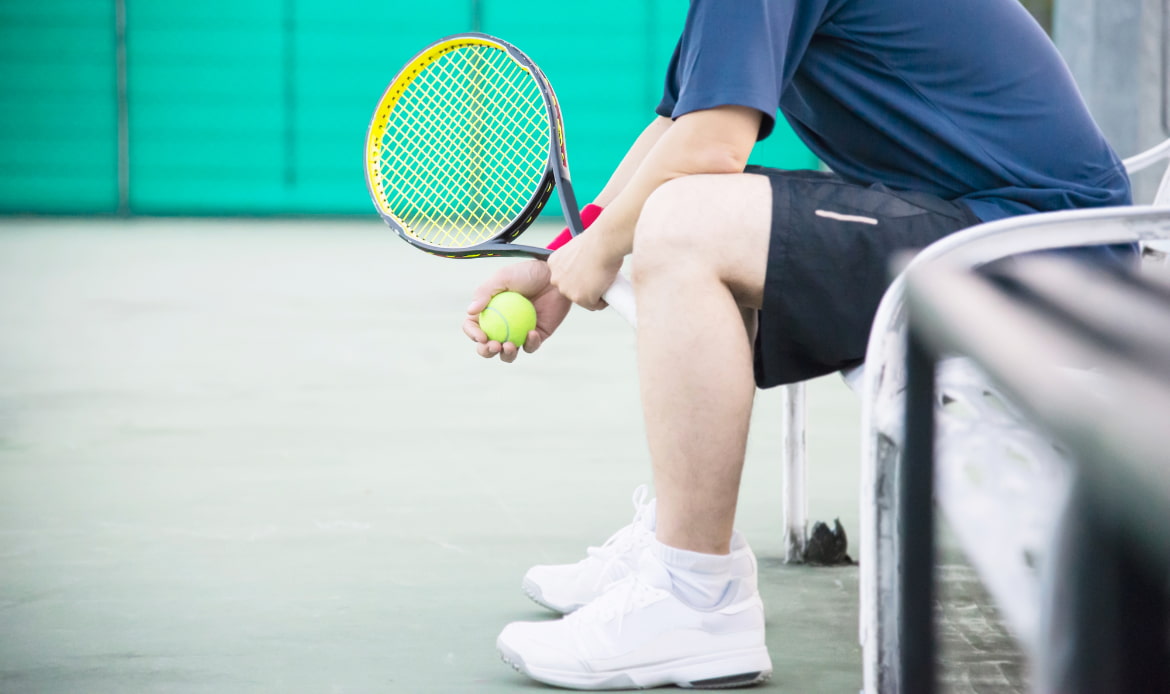
Ask any long time tennis player and they will tell you the same thing: staying healthy is what keeps the game enjoyable. At Rackets Academy injury prevention is treated as part of training, not an afterthought that only matters when an injury occurs. Our coaches pay attention to how players move, how often they train, and how their bodies respond over time. The goal is simple. Help players stay on court, improve safely, and enjoy tennis for the long run.
Building Good Habits From The Start
Most tennis injuries do not come from one big moment. They usually start as small things that repeat. A player reaches late and twists awkwardly. Someone muscled a forehand with the arm instead of moving the feet. A tight grip sneaks in on the serve, and suddenly the elbow feels it.
That’s why Rackets Academy puts a lot of attention on the basics early. Coaches spend time on how players move before they ever worry about hitting harder. Across all our tennis programs, juniors learn the split step, how to recover after each shot, and how to set their body so they are not always stretching and scrambling. Adults are coached toward simpler, cleaner mechanics that take pressure off common problem areas like the shoulder, elbow, and lower back. While these small corrections seem simple, they are designed to build better habits as your player progresses.
Warm Ups That Prepare The Body
At Rackets Academy, sessions do not start with players stepping onto court and immediately cracking serves. Coaches treat the first few minutes as a bridge between real life and real movement. Players warm up properly, get the heart rate up, and loosen the joints before the intensity kicks in.
It usually looks simple from the outside. A bit of light running, some side steps, a few coordination drills, then controlled swings that build up gradually. But that is the point. The body wakes up in stages, so the first hard sprint or wide forehand does not come as a shock. When players do this consistently, they move better, react quicker, and reduce the chances of pulling something early in the session.
For parents watching from the side, those warm up minutes are often the giveaway. It shows whether a program is thinking long term, not just trying to get balls flying as fast as possible.
Managing Training Load And Recovery
A lot of tennis injuries are not about bad luck. They come from doing too much too soon, especially when players are improving quickly and want to train every day. This is particularly important for junior players, because growing bodies do not always handle heavy loads the same way adults do. Training plans are adjusted based on age, experience, and competition level, and rest is treated as part of the process rather than time off. For adults, the conversation is often about balance. Tennis has to fit around work, travel, and recovery, and the best results come when the body has time to adapt.
It’s a steady approach, but it works. Players stay consistent, avoid the nagging overuse issues that can creep in quietly, and keep building their game without long breaks on the sidelines.
Strength And Movement That Support The Game
Injury prevention is not just about telling players what not to do. It is also about giving the body the tools to handle tennis. The best training sessions include small, sensible strength and movement pieces that support what happens in a match. Nothing fancy. Strong legs for pushing off. A steady core for turning and stopping. Better stability so the body does not wobble when a player is stretched wide.
This work is usually woven into training rather than treated like a separate gym class. A few movement drills between hitting. Footwork patterns that teach control. Simple stability exercises that help players land and change direction cleanly. When that foundation is there, players end up in fewer awkward positions, joints take less stress, and the whole game feels smoother. Many players notice it first in the small moments, like feeling more balanced on a tough volley or recovering quicker after a wide forehand.
Adjusting Sessions To The Player
Tennis players do not all move the same, and they do not all need the same kind of session. A junior just learning the sport, a competitive teenager training for tournaments, and an adult coming back after a long break should never be pushed through the exact same plan.
The best coaches adjust drills, feeding pace, and session intensity based on what the player needs that day. If a player is moving well, the pace can rise. If someone looks tired, tight, or uncomfortable, coaches dial it back, clean up the movement, or shift the focus. That flexibility is a big part of staying healthy. It keeps progress steady without forcing players to grind through sessions that their bodies are not ready for.
Playing Longer And Feeling Better With Rackets Academy
Injury prevention comes down to a few key elements: moving well, warming up properly, building intensity at the right pace, and speaking up early when something feels off. When these habits are consistently reinforced, players stay on court longer, progress more reliably, and develop a healthier relationship with training and competition.
At Rackets Academy, this mindset is built into our day-to-day coaching. All of our programs include structured Strength & Conditioning delivered by specialized trainers. This foundation starts for young athletes within our Junior Development Program and becomes significantly more advanced and intensive within our fulltime Elite program.
Whether a player is a junior chasing tournament results or an adult focused on staying active, this approach supports long-term development and consistent progress; without the stop-start cycle of nagging injuries.
For families and players looking for smarter training and sustainable improvement, the next step is simple. Interested in learning more? Contact a member of our team to explore our courts, programs, and lesson options at Rackets Academy.